Albany, Illinois Homes For Sale & Real Estate
Living in Albany, IL
Albany, Illinois is a close knit small town known for its scenic riverside setting and strong community spirit. Located along the Mississippi River, the town offers a peaceful rural lifestyle while remaining conveniently close to larger cities such as Clinton, Iowa. With tree lined streets, open farmland, and beautiful river views, Albany reflects the classic charm of Midwestern river towns.
The community stays active throughout the year by hosting local events that bring residents together. Popular traditions include Halloween Fest, City Wide Garage Sales, and the well known Miss Flame Festival. These celebrations highlight the town’s welcoming atmosphere and give neighbors a chance to connect and enjoy time together.
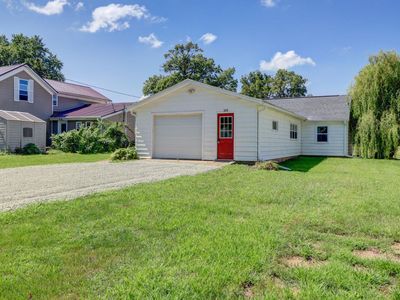
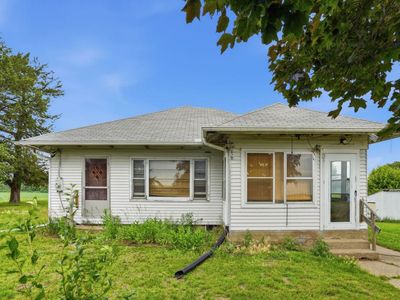
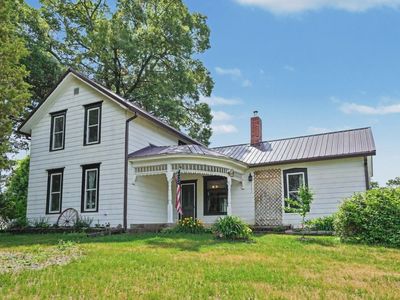
Real estate in Albany is made up primarily of single family homes, including historic houses, ranch style properties, and some newer construction. Many homes feature spacious lots, detached garages, and quiet residential surroundings. Buyers are often drawn to Albany for its affordability, privacy, and opportunities to purchase land or homes with long term potential.
Residents appreciate Albany for its relaxed pace of life and easy access to outdoor recreation. Fishing, boating, and riverside walks are common activities, while nearby communities provide access to schools, shopping, and healthcare services. With its combination of natural beauty, small town friendliness, and attainable housing options, Albany continues to be an appealing place to call home along the Mississippi River.
If you’re ready to begin your home buying or selling journey, browse the latest real estate listings in Albany, IL. You can also contact us, because with Ruhl&Ruhl Realtors You’re Never on Your Own!
Nearest Ruhl&Ruhl Office: Clinton
301 North Second Street
Clinton, IA 52732
(563) 441-1776
Popular Albany Neighorhoods
Albany, IL Real Estate Statistics
- Total Homes5
- Avg. Size In Sq. Ft.1,436
- Avg. Age In Years87
- Avg. Days On Market95
- Minimum Price$124,900
- Maximum Price$214,900
- Average Price$166,920
- Avg. Price Per Sq. Ft.$116
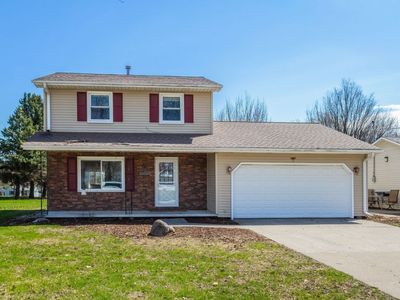
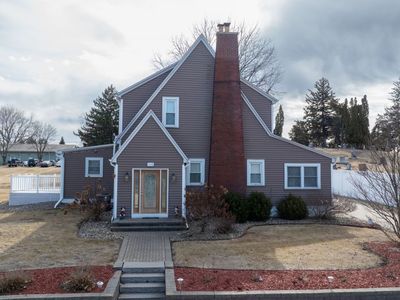
Latest Homes For Sale in Albany, IL
Other Illinois Real Estate Markets
- Albany
- Coal Valley
- Colona
- Cordova
- Dixon
- East Dubuque
- East Galesburg
- East Moline
- Erie
- Fulton
- Galena
- Galesburg
- Geneseo
- Highland Place
- Illinois Quad Cities
- Kirkwood
- Knoxville
- Lighthouse Landing
- Mercer
- Milan
- Moline
- Monmouth
- Morrison
- Oak Run
- Orion
- Port Byron
- Prophetstown
- Quad Cities
- Rapids City
- Rock Falls
- Rock Island
- Sherrard
- Silvis
- Sterling
- Stone Gate On Zuma Creek
- Thomson
- Timberline Estates
- Viola
Privacy Policy / DMCA Notice / ADA Accessibility


